

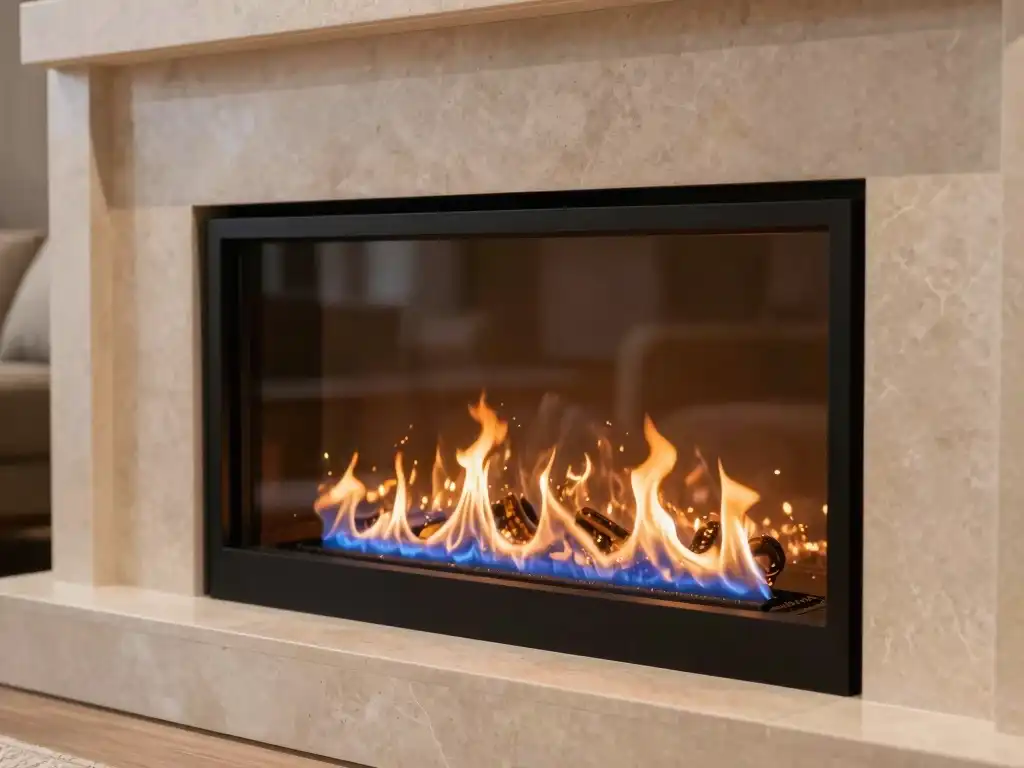
Sell Your Kansas City Home Faster – Get the Chimney Swept Before You List
Handshake on a deal can fall apart fast when the buyer’s inspector walks up to that quiet, never-touched fireplace – and in Kansas City, that’s usually the one that blows up the inspection and costs sellers thousands they never saw coming. A simple pre-list sweep and check turns that wildcard into a documented selling point instead of a last-minute liability that hands all the negotiating power straight to the buyer.
Why the “Never-Used” Fireplace Is the One That Kills Deals
On more listings than I can count in Kansas City, the “we never use the fireplace” line is my first red flag. Not because sellers are hiding anything – they genuinely believe disuse means nothing went wrong. But here’s what that actually means for you: when a flue sits idle for years, birds move in, moisture seeps through every crack, and old defects just keep stacking up with nobody looking. By the time I open that damper for the first time in a decade, I’m not finding a fireplace that’s been resting. I’m finding one that’s been quietly falling apart.
I’ll give you a real example. There was a house in Brookside, early fall, light rain tapping on the roof while I was up in the attic above the fireplace chase. The seller was an older gentleman who swore he’d never used the thing once, so he figured it was fine. I opened the damper and a shower of soot and mortar chunks hit the hearth – turned out, the previous owners had botched a gas-log conversion and partially collapsed the old smoke shelf. We fixed everything before the listing photos went up. The buyer’s inspector later told me that fireplace was the cleanest part of the whole house. But if we’d found that during the buyer’s inspection instead of before? The report would’ve read “evidence of possible chimney fire, further evaluation required” – and that’s when the credit requests start landing on your agent’s desk.
And that’s exactly where the psychology of it matters. An inspector’s eye lands first on soot piles, cracked tiles, or sooty glass around the firebox door. That’s just how it works – they’re trained to flag anything that looks like deferred maintenance. But here’s what happens next: a nervous buyer doesn’t see a dirty fireplace. Their imagination jumps straight to “hidden fire hazard” and a number with a comma in it. A clean, documented chimney does the opposite – it tells the same nervous buyer that the seller took care of things, and that story carries into every other room they walk through.
Top 5 Ways an Ignored Chimney Spooks Kansas City Buyers
-
❌
Visible soot piles or falling debris in the firebox during showings – buyers see it before the inspector even arrives, and it sets the tone for the whole walkthrough. -
❌
A strong smoky or musty odor when buyers first walk into the living room – smell is the fastest way to trigger a red flag before anything’s even been inspected. -
❌
Inspector notes like “flue condition unknown” or “heavy creosote present” – that language gives buyers’ agents ammunition to request a specialist re-inspection, which stalls the whole timeline. -
❌
Evidence of old birds’ nests, rust streaks, or water stains at the damper area – these are the items that trigger a Level 2 inspection request and add days you don’t have under contract. -
❌
Listing description says “fireplace sold as-is” – inspectors and buyers both read that as “the seller already knows something’s wrong and doesn’t want to deal with it.”
What a Pre-Listing Chimney Sweep Actually Prevents
From “Possible Fire Hazard” to Clean Bill of Health
I still think about a bungalow in Prairie Village where one $275 sweep would’ve saved the seller a $4,000 price cut. That story isn’t unique – and I’ve lived the version of it firsthand. A young couple in Waldo called me in tears on a freezing January morning because their buyer’s inspector had flagged “heavy creosote, potential fire hazard” the day before closing. They’d never thought to call me before they listed – nobody did. By the time I swept and documented everything, there was no time left to fix it on their terms. They had to drop their price to cover a new liner. I stood in that drafty living room watching them sign the price reduction, and I thought about how a single pre-listing appointment would’ve changed everything. The difference isn’t the repair cost – it’s who controls the timing and the framing.
How Inspectors Read a Fireplace on Report Day
Here’s my honest opinion as a guy who’s been in more chimneys than living rooms lately: buyers trust a clean report more than your fresh paint. When an inspector walks up to a fireplace that’s been swept recently, the firebox is clean, and there’s a dated service report on the counter, the whole tone of that section of the report changes. “Chimney serviced by professional on [date], no active defects observed” is a completely different sentence than “flue condition unknown, recommend specialist evaluation.” Same chimney. Completely different negotiation.
If you’d rather spend a few hundred on your schedule than give away a few thousand on the buyer’s, the pre-list sweep isn’t optional.
Pre-Listing Chimney Sweep Checklist for Kansas City Sellers
If you were standing next to me in your living room right now, I’d ask you one simple question: when was the last time anyone looked up that flue? And then I’d want a few more details before I ever pulled a brush out of my truck. In older KC neighborhoods like Brookside, Waldo, and Overland Park, I see a lot of brick chimneys built in the ’40s and ’50s alongside gas-log conversions that were done in the ’90s without permits or professional documentation – and those combinations have a way of hiding problems that only show up when you shine a light in the right place. So before you call me, it helps to know what type of fireplace you have, whether there was ever a conversion done, the last time someone actually built a fire in it, and whether you have any old invoices from past work. None of that’s a dealbreaker – it just means I come out prepared instead of surprised.
Timing matters more than most sellers realize, and here’s the thing – doing this before photos and showings means there’s time to fix anything without buyers watching every move. A sweep done two to three weeks before your list date gives you a window to handle follow-up repairs and still have documentation ready when you go live. Your agent can put “chimney swept and inspected 2024” right in the listing remarks, and I’d suggest keeping the service report in a binder on the counter during showings. Inspectors notice it. Buyers notice it. And honestly, a nervous buyer standing in front of a clean, documented fireplace is a different buyer than one standing in front of a question mark.
📋 What to Gather Before You Schedule Your Pre-Listing Chimney Sweep
- Fireplace type – is it wood-burning, gas logs, a gas insert, or sealed off entirely? This changes what the inspection involves.
- Last time it was actually used – estimate by season and year if you can. “A few years ago” and “maybe 2012” are both useful starting points.
- Any past chimney or fireplace work – crowns, caps, liners, gas conversions. Even if you didn’t have it done yourself, mention it if you know about it.
- Old inspection or sweep invoices – dig through your home file if you have one. Prior documentation is useful even if the work was years ago.
- How the fireplace is being marketed – is it a “cozy wood-burning fireplace” highlighted in the listing, or more of a decorative feature buyers won’t actually use? That affects how thoroughly we document everything.
- Your target list date and any inspection deadlines – your agent may already have a timeline, and I want to make sure there’s enough lead time for any follow-up work before photos go up.
- Phone photos of the outside chimney, firebox, and surrounding walls or ceiling – nothing fancy. This lets me flag any obvious red flags before I even arrive and come prepared with the right equipment.
How a Clean Chimney Changes the Inspection and the Math
Blunt truth: your chimney is either helping your listing or hurting it – there’s no neutral once the inspector shows up. A recent sweep paired with a simple written findings report changes the language in the inspection report, and that language is what lenders, insurance underwriters, and buyers actually read. “Flue condition unknown, heavy soot present, recommend specialist evaluation” puts the buyer in the driver’s seat. “Chimney swept and inspected by certified professional on [date], no active fire hazards observed” does the exact opposite. Here’s what that actually means for you: the second version rarely generates a repair credit request, and when it does, it’s modest. The first version generates a specialist re-inspection, a delay, and a credit request that usually starts at whatever the most expensive thing on the scope might be.
I was on a roof in Overland Park last July – 98° at 3 in the afternoon, sweat in my eyes – looking down a chimney for a couple who were listing in three days. Their agent thought I’d just do a quick sweep. I found a birds’ nest the size of a basketball and a cracked flue tile sitting right where any inspector with eyes would spot it. My mason buddy and I stayed until dark replacing those tiles and clearing the obstruction, and that last-minute scramble is the only reason the buyer didn’t walk after the inspection. Here’s the thing: the defect was exactly the same whether we found it that evening or whether the buyer’s inspector found it a week later. Same crack, same nest. But finding it with three days to spare – just barely – meant the seller got to fix it and document it instead of handing the buyer a negotiating chip. Two or three weeks of lead time, and that whole story is calm instead of chaotic.
Step-by-Step: Making Your Chimney “Inspection-Ready” Before You List
Here’s my honest opinion: getting the chimney inspection-ready is the same category as fresh paint and a clean yard – it’s just prep. But unlike paint, a documented chimney service changes what ends up in the inspection report, and that’s where negotiations actually happen. I’ve seen sellers spend $8,000 on a kitchen update and skip a $300 chimney sweep, then give back $6,000 in credits at the table. The math doesn’t work in their favor. My job isn’t to gut your fireplace and run up a bill – most of the time I can get a borderline system sale-ready in one visit, leave you with a written report, and have the whole thing wrapped up before your photographer ever shows up.
Pre-List Chimney Prep: The 6-Step Game Plan
You describe the age of the home, fireplace type, past work, and your list timeline. I flag any obvious red-flag scenarios – old gas conversions, long-disused flues, prior repairs done without documentation – so we both know what we’re walking into.
I protect the room, sweep the flue and firebox, and check the smoke chamber, damper, and visible exterior. Most of the story shows up right here.
When the age, visible cracks, or past conversion work suggests liner issues, I run a Level 2 scope. Not every chimney needs it – but when it does, finding it now is a lot better than finding it at closing.
Small obstructions cleared, loose logs reseated, failing gaskets swapped out, glass and doors cleaned so everything looks and operates correctly. These take an hour and change the whole visual impression of the fireplace.
You get a simple, dated report documenting what was swept, what was found, and what was done. Your agent can reference it in the listing. Keep it in a binder on the counter during showings – inspectors notice, and so do buyers.
If something needs real work – a liner, crown repairs, repointing – scheduling it before photos and MLS means it shows up in your listing as a completed upgrade instead of an open question on an inspection report.
Once that sign goes in the yard, every surprise works in the buyer’s favor – and the chimney is exactly where the worst surprises tend to hide. Call ChimneyKS and let Michael sweep, inspect, and document your fireplace before you list, so you walk into every showing and every inspection with a clean report in hand instead of crossed fingers behind your back.