

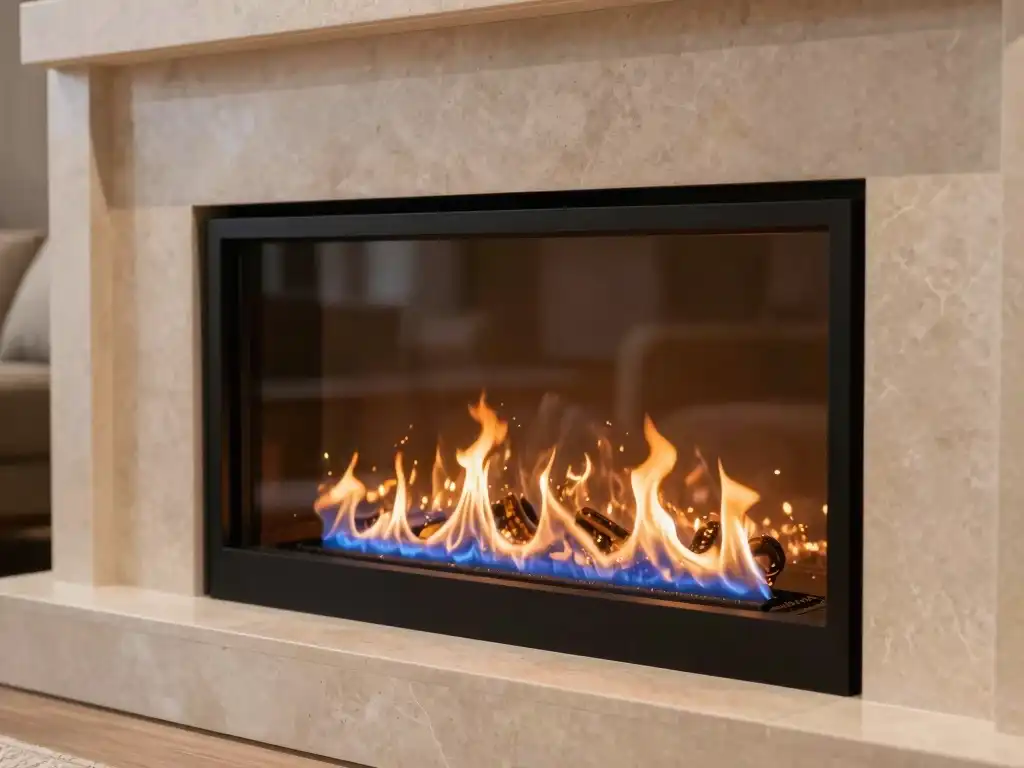
The Best Wood Stoves for Heating Kansas City Homes – What to Look For
Has this happened before – you walk into a stove showroom, fall for the biggest cast-iron unit on the floor, haul it home, and then spend the next winter wondering why one room feels like a sauna while the rest of the house stays cold? The best wood stove for home heating in KC is rarely the largest, flashiest, or most expensive model on display. It’s the one that fits how your specific Kansas City house holds and moves heat – and that’s a very different conversation than the one most showrooms want to have with you.
Sizing Comes Before Style in Kansas City Houses
Seventeen years in, the first thing I check is still square footage. Not brand, not firebox volume, not the finish color. And honestly, the best wood stoves for home heating KC aren’t a brand decision at all – they’re a sizing decision first, and brand comes somewhere down the list. I think about this every time I drive through Brookside, because one January morning around 7:15, I showed up to a home where the owner had already bought the biggest stove on the showroom floor. By noon, after measuring the room, checking the ceiling height, and watching how that old house leaked heat near the windows, I had to tell him his oversized unit would roast the living room and still leave the back bedrooms chilly. He wasn’t happy. But he would’ve been a lot less happy come February. A house carries heat the way a trumpet carries sound – right volume, clear path, no forced notes. Jam too much air through the wrong horn and it just goes sideways.
That sounds right to a lot of people, but here’s where it goes sideways: EPA efficiency ratings and showroom impressions don’t override poor sizing. A stove with excellent EPA numbers installed in the wrong space will still underperform – or worse, over-fire. Kansas City housing stock makes this especially tricky. Older Brookside and Waldo bungalows have character, leaky windows, and floor plans that chop heat into pockets. Newer Northland builds tend to be tighter and better insulated, which changes the equation completely. The same square footage in two different KC neighborhoods can call for genuinely different stove sizes, and the room-to-room path heat has to travel matters as much as the number on the spec sheet.
| Home Situation | Likely Heating Goal | General Stove Size Range | Best Heat Style | Common Sizing Mistake |
|---|---|---|---|---|
| Small, well-insulated single-story | Zone heat for main living area | Small to medium (up to ~1,200 sq ft output) | Radiant or compact convection | Buying too large and constantly choking the stove down to avoid overheating |
| Older drafty bungalow, main-floor heating | Carry the main floor through cold days | Medium (1,200-1,800 sq ft output), size up slightly for leakage | Convection style helps push heat past cold spots | Sizing to square footage without accounting for air leakage – a drafty house needs a bit more output |
| Two-story open plan, supplemental heating | Reduce furnace load, add comfort to main floor | Medium (sized to main floor zone, not full square footage) | Convection; ceiling fan helps distribute upward rise | Sizing to total home square footage instead of the zone the stove can realistically serve |
| Backup heat for two rooms during outage | Keep two rooms livable during power failure | Small to medium, longer burn time priority | Radiant works well for close, occupied rooms | Buying oversized “just in case” – too much output in a small closed-off zone is a safety and comfort problem |
| Whole-house ambition in older masonry home | Primary heat, most of the home, most days | Large – but confirm chimney and liner capacity first | High-output convection with good chimney draft | Assuming a big firebox solves everything – an old, unlined flue or a chopped-up layout will limit performance regardless of stove size |
| Myth | Real Answer |
|---|---|
| “A bigger firebox always means better heating.” | A firebox that’s too large for the space forces you to run the stove at low output – which creates more creosote, shorter burn efficiency, and an overfired room when you finally open it up. Right-sized beats big every time. |
| “EPA-certified means it will heat any house equally well.” | EPA certification tells you about emissions and combustion efficiency under test conditions. It says nothing about whether the output matches your floor plan, ceiling height, or how your KC home leaks heat at 15 degrees. |
| “If it heats the showroom, it’ll heat my house.” | Showrooms are usually open, high-ceilinged, and concrete-floored. Your Waldo bungalow with three walls of windows and a disconnected kitchen is not a showroom. The stove needs to match your actual floorplan, not a retail display space. |
| “Appearance matters more than placement.” | A beautiful stove in the wrong corner of the room still leaves half the house cold. Placement relative to room openings, furniture arrangement, and the path heat has to travel matters more than any finish or decorative panel. |
What Your House Is Really Asking the Stove to Do
Zone Heat Versus Backup Heat
If you were standing with me in your living room, I’d ask one question first: where do you want the heat to stay? That single question changes everything. Some people want the whole main floor warm from morning to night. Others want one solid gathering room during cold snaps. And some – like the retired couple I visited in the Northland one Saturday – just want two livable rooms when the power goes out. That couple served me cinnamon coffee cake while snow came down sideways outside their drafty picture window, and we spent the better part of two hours talking through burn times, clearances, and whether radiant or convection heat fit their actual routine. They didn’t need a stove that could heat 2,400 square feet. They needed one that would reliably keep a kitchen and a bedroom at a reasonable temperature during a Kansas City power failure, without complicated operation. Kansas City outage planning isn’t dramatic – it’s just practical, and that Northland visit is why I always ask about lifestyle before I ask about BTUs.
Radiant Warmth Versus Convection Movement
Here’s the blunt part: a fancy stove can still be the wrong stove. Radiant units heat what’s in front of them – line of sight, immediate warmth, the kind of heat you feel the second you sit near it. That’s great for a room where people gather close and stay put. Convection-style stoves work by circulating warm air, which means the heat travels farther and distributes more evenly, but it doesn’t feel as dramatic up close. If your room opens into a hallway or an adjacent space, convection usually serves you better. If you’ve got a closed room and people who want to feel warm immediately, radiant makes sense. Furniture placement matters here too – blocking the front of a radiant stove doesn’t just affect comfort, it affects how the whole system breathes.
Before you pick a nameplate, decide what kind of winter job you’re hiring the stove to do.
That last point about layout connects directly to local Kansas City housing realities. Brookside and Waldo homes tend to have picture windows, divided rooms, and older construction that leaks heat in unexpected places – meaning a stove that “should” heat 1,400 square feet might feel weak because it can’t push warmth past a narrow hallway or a drafty stairwell. Northland builds are tighter and more forgiving, but they often have more square footage to cover. These aren’t hypothetical concerns. They’re the first things I check before I’d recommend anything with a brand name attached to it.
Fuel, Draft, and Burn Time Decide Whether the Stove Delivers
On a sleet night in Waldo, I got reminded of this the hard way. I was called back to a house where a perfectly good stove “wasn’t throwing heat.” I stood in a mud-slick side yard with a flashlight, splitting logs to show the owner the moisture line running through the center of his wood – all of it sitting under a torn tarp that had let in months of rain. That was problem one. Problem two was the connector pipe running through three unnecessary bends before hitting the flue, so the whole system breathed like a dented trombone. The stove wasn’t weak. The setup was. Here’s the insider tip worth keeping: before you compare brochure burn times between two stove models, ask yourself how much wood you can realistically store dry and how straight you can actually run the connector pipe. Those two things will affect your daily experience more than any specification the manufacturer puts on the box.
Firebox size sounds exciting right up until it starts running your whole evening. That sounds right to most people, but here’s where it goes sideways: burn time is a fuel-quality and operating-habit question as much as it’s a firebox question. A medium stove burning properly seasoned wood – under 20% moisture – will outperform an oversized unit running damp wood at low output to keep from roasting the room. Running an oversized stove slowly to manage heat is one of the fastest ways to build creosote and end up with a chimney problem that costs more than the stove itself. Dry wood, a straight vent path, right-sized firebox. In that order.
- Burning unseasoned or wet wood – moisture content above 20% robs heat, soots the glass, and builds creosote faster than most people expect. A moisture meter costs about $20 and is worth every cent.
- Too many bends in the connector pipe – every elbow restricts draft. A system that doesn’t breathe freely performs like one with a smaller firebox, no matter what the specs say.
- Oversized stove run at low output – buying big and throttling down to avoid overheating a small space is a creosote and efficiency problem waiting to happen. Smaller and properly operated beats oversized and choked every time.
Before You Choose a Model, Run This Short Kansas City Reality Check
A house carries heat a lot like a trumpet carries sound – bad shape, bad result. You can put a world-class valve job on a dented horn and it still won’t project right, and the same principle applies here. Stove shopping should happen after you’ve checked chimney compatibility, confirmed hearth protection and clearances, figured out where dry wood gets stored, and thought through how the stove room connects to the rest of the house. If any one of those things is off, the stove model almost doesn’t matter. Get the setup right first, and the right stove becomes a lot easier to identify.
Choosing Well Means Matching the Stove to the House, Not Winning the Showroom
A good recommendation doesn’t come from a catalog – it comes from walking the house, hearing what the homeowner actually needs from their heating setup, and checking the chimney path before anything else gets decided. If the stove is sized right, the fuel is dry, the vent runs clean, and the placement makes sense for how the room connects to the rest of the house, that stove will perform well for years. Get any one of those things wrong and you’ll be calling for a service visit before the first winter is out. If you’re in the Kansas City area and want help narrowing down the right stove, liner, and installation approach before you buy, ChimneyKS is the local call worth making – we’ll look at the house first, and the spec sheets second.